
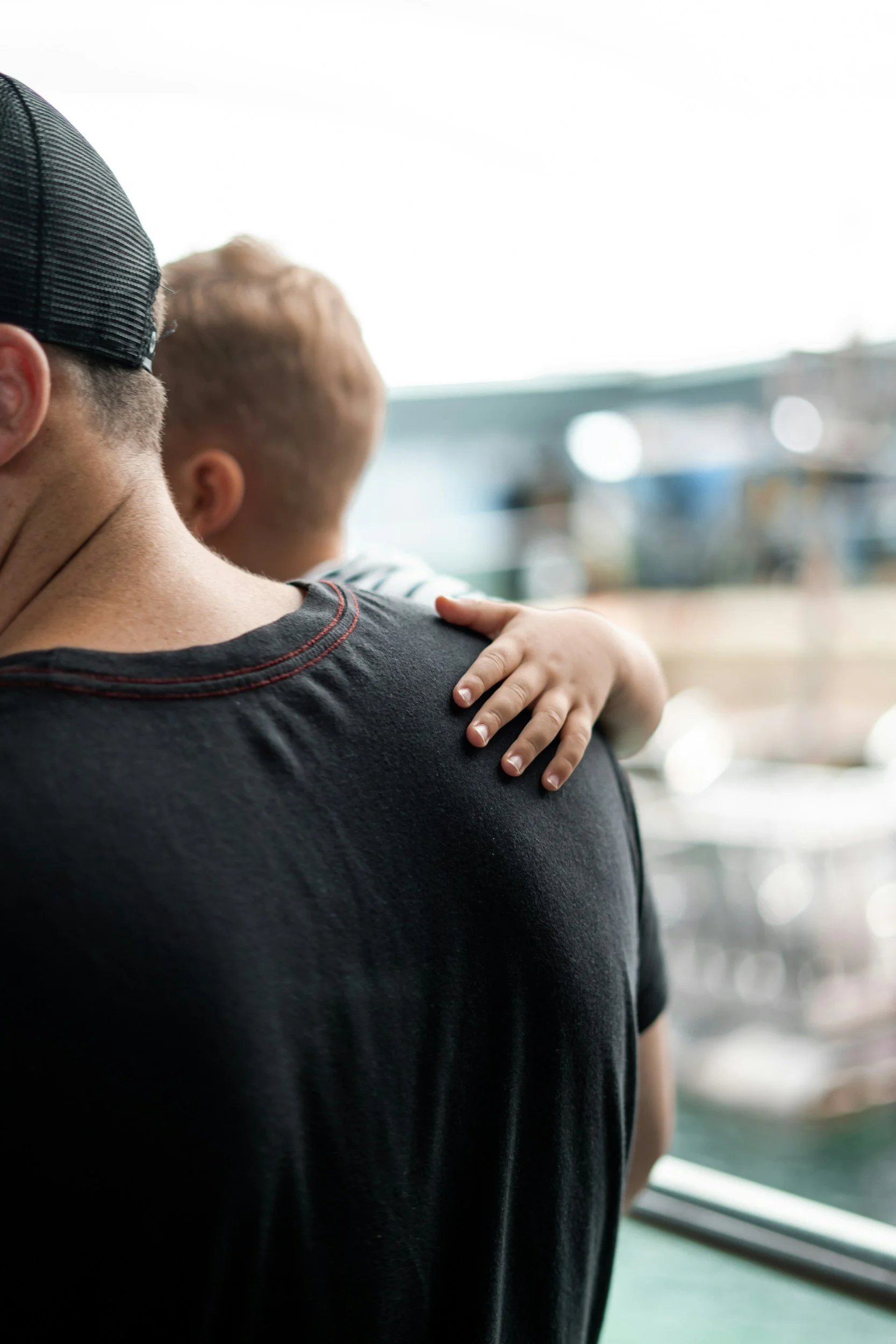

Unplanned Pregnancy Linked to Fathers' Mental Health Problems
More than half of all pregnancies are unintended, and while the mental health impacts on mothers are well documented, much less is known about fathers. A meta-analysis of 23 international studies shows that unintended fatherhood is linked to a higher risk of mental health problems, particularly depression, in the first postpartum year.
Review
Associations between unintended fatherhood and paternal mental health problems: A systematic review and meta-analysis
Journal of Affective Disorders | 2023
Imogene Smith, Gypsy O'Dea, David Hilton Demmer, George Youssef, Georgia Craigie, Lauren M. Francis, Laetitia Coles, Levita D'Souza, Kat Cain, Tess Knight, Craig A. Olsson, Jacqui A. Macdonald.
Access the review:
https://doi.org/10.1016/j.jad.2023.06.065
Key Messages from the author
From Associate Professor Jacqui Macdonald, Deakin University, Senior Author:
“What stood out to us was how reliably unplanned fatherhood signals who might struggle in that first postpartum year. That gives us a real opportunity to involve men earlier at the family planning and pre-conception stage, so they can have conversations with their partners and healthcare providers before they're already navigating an unexpected pregnancy. And when a pregnancy is unplanned, asking a few simple questions about what happened can help spot who needs extra support. It’s also important to remember that it's not just first-time dads — an unplanned pregnancy later in family life can bring its own challenges, and those fathers are just as likely to need support."
Review summary
This review brings together findings from 23 international studies, involving more than 8,000 fathers, to explore how unintended pregnancies are linked to fathers’ mental health in the early years of parenting. Fathers who reported an unintended pregnancy were more than twice as likely to experience mental health difficulties than those whose pregnancies were planned. The strongest link was with depression, rather anxiety or stress. These patterns were similar for both first-time and experienced fathers, and regardless of when or how mental health was measured, although the risks were even higher in low-income countries.
The review suggests that unintended pregnancies may be an early risk signal for fathers’ mental health problems in the first year after birth, especially for depression. The authors recommend involving men more actively in family planning and pre-conception care and asking about pregnancy intention as part of routine antenatal and postnatal care. Such conversations could help identify those who may need additional support and provide opportunities to offer help early during this critical period.
Related journal article from the Authors: “You are not alone”: A big data and qualitative analysis of men's unintended fatherhood - ScienceDirect
See the Authors’ article in The Conversation: Surprise! How men react when becoming a dad isn’t part of the plan
Page last updated July 2026